In the echoes of silence surrounding Black women adoptees’ experiences, I’ve noticed a pattern – a pattern of gaslighting and demands for proof of trauma.
When Black women adoptees speak out, we often encounter skepticism. If we remain silent, the risk is the erasure of our experiences and the constriction of our narrative. This blog post aims to illuminate this issue and spark a dialogue to uplift our voices.
As I share my observations, rooted not in assumption, but in personal experience, I invite you to join me in a candid conversation. So, grab a cup of tea, click on the audio, and let’s explore why it’s so much harder for Black girls and Black women to share their adoptee experiences in a public and private forum.
Key Takeaways for Black Women Adoptees:
For those navigating the challenge of having their experiences questioned, here are some strategies to persevere:
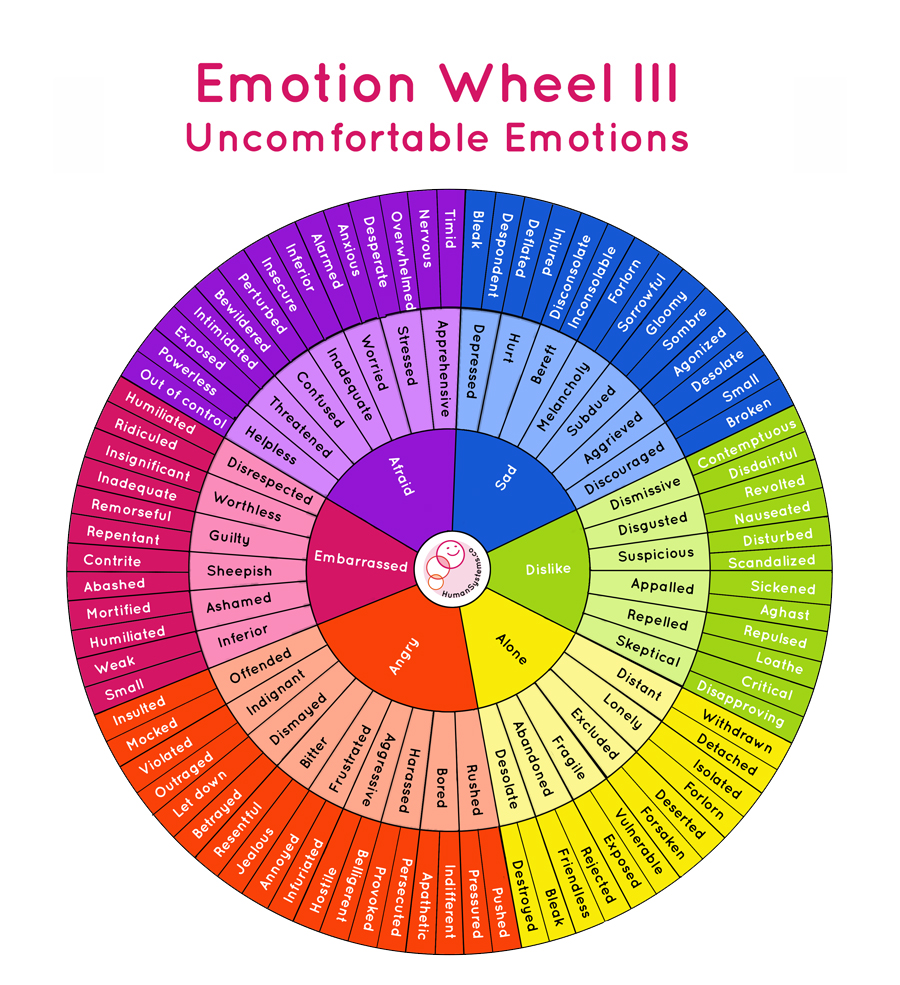
- Embrace Emotional Understanding:
Dive into the emotional wheel crafted by psychologist Robert Plutchik, Ph.D. Study and internalize it to gain a profound understanding of your emotions. This tool can be empowering in articulating and validating your experiences when people try you, and yes even on Twitter. (I am not calling it X) - Community Connection:
Don’t hesitate to connect with and lean on your communities. Shared experiences can be a source of strength, understanding, and validation. Your voice is stronger when joined by others who empathize and relate. The amount of times I’ve sent texts like , “girrlllll” – has soothed me in more ways than one. - Take a Pause:
In the face of skepticism, it’s crucial to prioritize your well-being. Take a break from social media, log off the apps, and give yourself the space to recharge and reflect. Your mental health is paramount and everyone does not need a response.
Addressing Adoptive Parents:
For adoptive parents, ensuring that Black girl and Black women adoptees’ narratives are not erased requires a proactive approach:
- Listen with Intent:
Create a space where your adoptee feels heard. Listening without judgment or interruption is a powerful way to validate our experiences. - Follow Up with Action:
Beyond listening, provide resources and support to affirm the validity of our experiences. Action is a tangible way to demonstrate your commitment to understanding and addressing our concerns. - Revise Understanding of Adoption:
Challenge preconceived notions about the adoption process, system, and experience. Educate yourself and pivot your understanding to better comprehend the unique challenges faced by Black women adoptees. It will take time, put in the work.
Well, that’s it for now. Let me know your thoughts in the comments below.
From a coffee shop with love,
Teisha
 Adopted Black Girl
Leave a comment